Text size
Line height
Text spacing
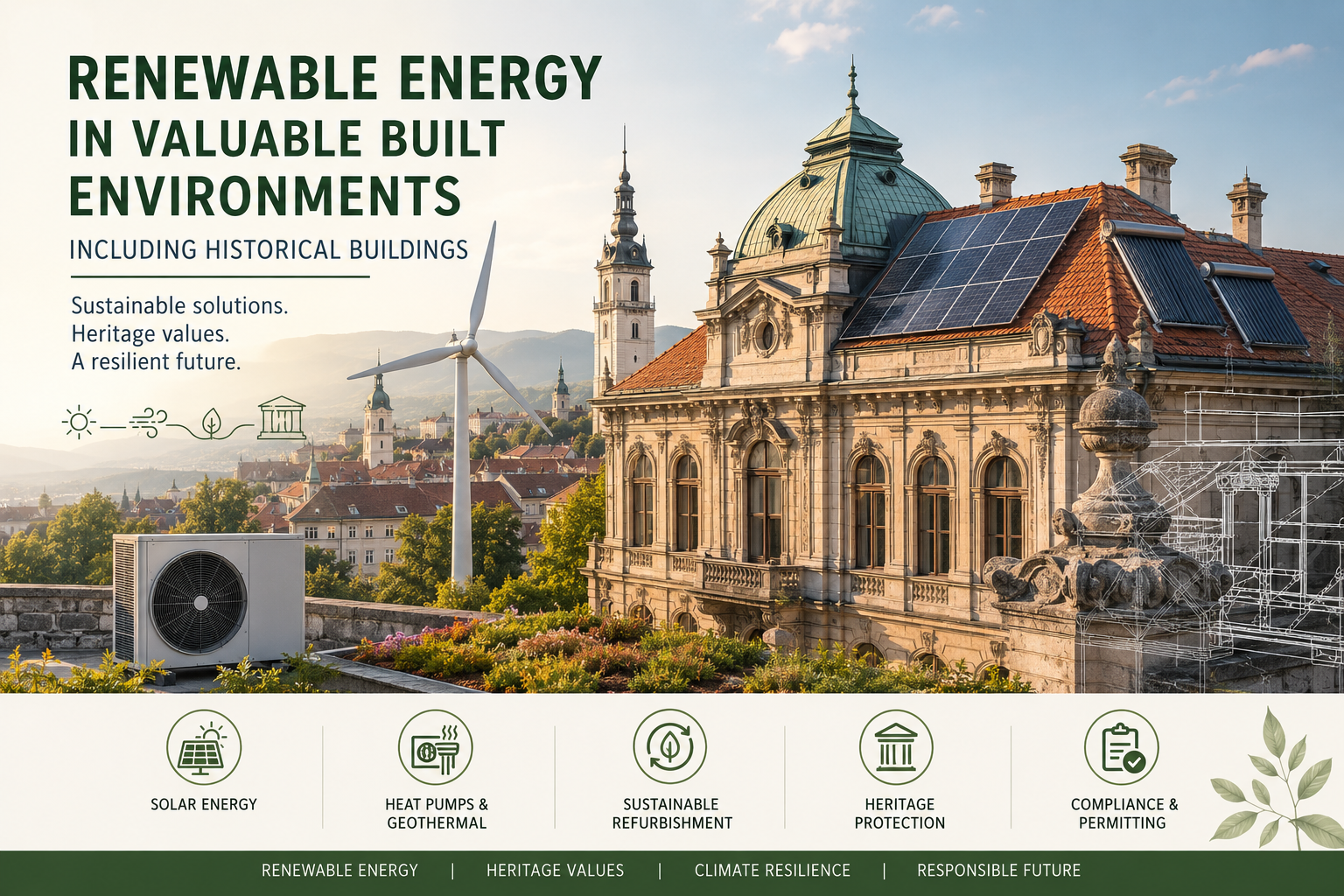
This course explores the application and integration of renewable energy solutions in valuable built environments, with a particular focus on historically valuable and heritage-sensitive buildings. It covers technology selection, heritage-sensitive integration, legal and permitting requirements, and life-cycle considerations, while addressing architectural, conservation, and technical constraints.
Participants will gain practical knowledge of how renewable energy can support decarbonisation and climate resilience without compromising cultural significance, with selected aspects related to the Serbian context.
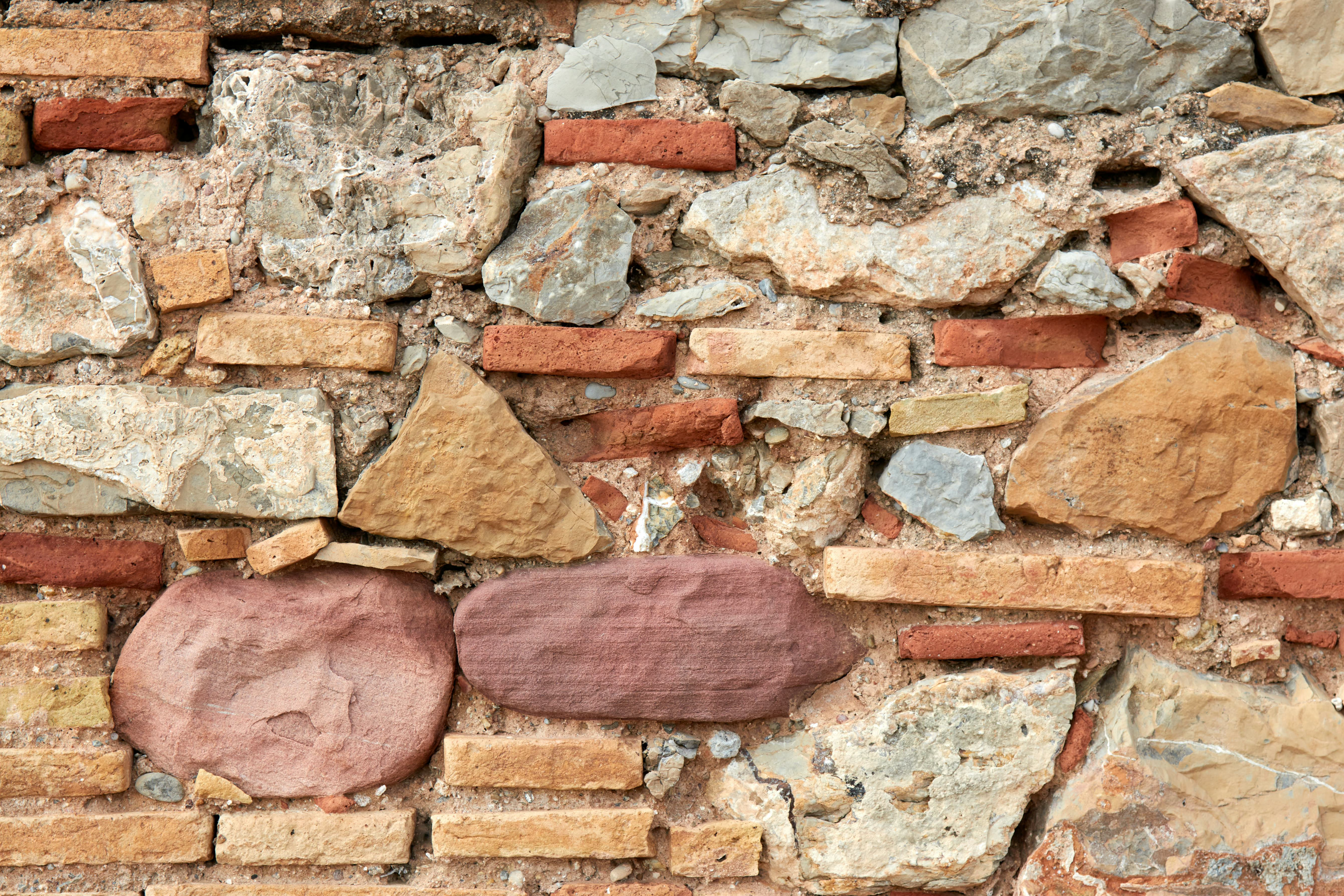
Climate change is one of the primary threats to cultural heritage. This course introduces the fundamentals of climate change and its impact on the valuable built environment (VBE). Designed for professionals such as architects, engineers, heritage specialists and students, it explores key climate processes, indicators, and policy frameworks related to both climate change and cultural heritage protection.
Participants will gain an understanding of how climate change affects heritage buildings and sites, while developing practical skills in risk assessment methodologies and tools. Through discussions and case studies, the course provides insights into real-world examples from both EU and non-EU contexts, enabling learners to formulate effective strategies for enhancing climate resilience in cultural heritage.

The course explores the interaction between circular economy principles and the repair, conservation and renovation of valuable built environment (buildings older than 50 years). It introduces the main concepts of the circular economy and examines how these principles can be applied in the architectural heritage field.
The course combines theory and methodology with various case studies of architectural design, conservation, renovation and repair practices and examples of tools to improve circular approaches. Some sessions will focus on Estonian context introducing key challenges in applying circularity to historically valuable buildings.
The course provides participants with an understanding of how sustainability goals might be integrated into heritage-sensitive renovation and maintenance. Participants will be able to integrate the acquired knowledge in their professional practice within their respective countries.
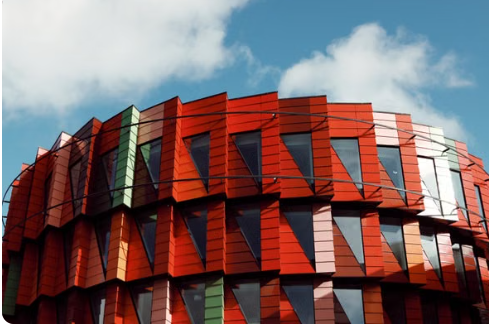
This course addresses energy efficiency in the context of climate change and building renovation, focusing on the critical role of the valuable built environment in energy consumption and greenhouse gas emissions reduction. It introduces the fundamental principles of energy efficiency and building renovation strategies within the VBE.
Participants explore key topics such as energy efficiency policies and regulatory frameworks, CO₂ reduction strategies, and methods for calculating emissions in buildings. The course also covers building physics, energy performance assessment, and certification systems, providing a solid foundation for evaluating building efficiency and renovation measures.
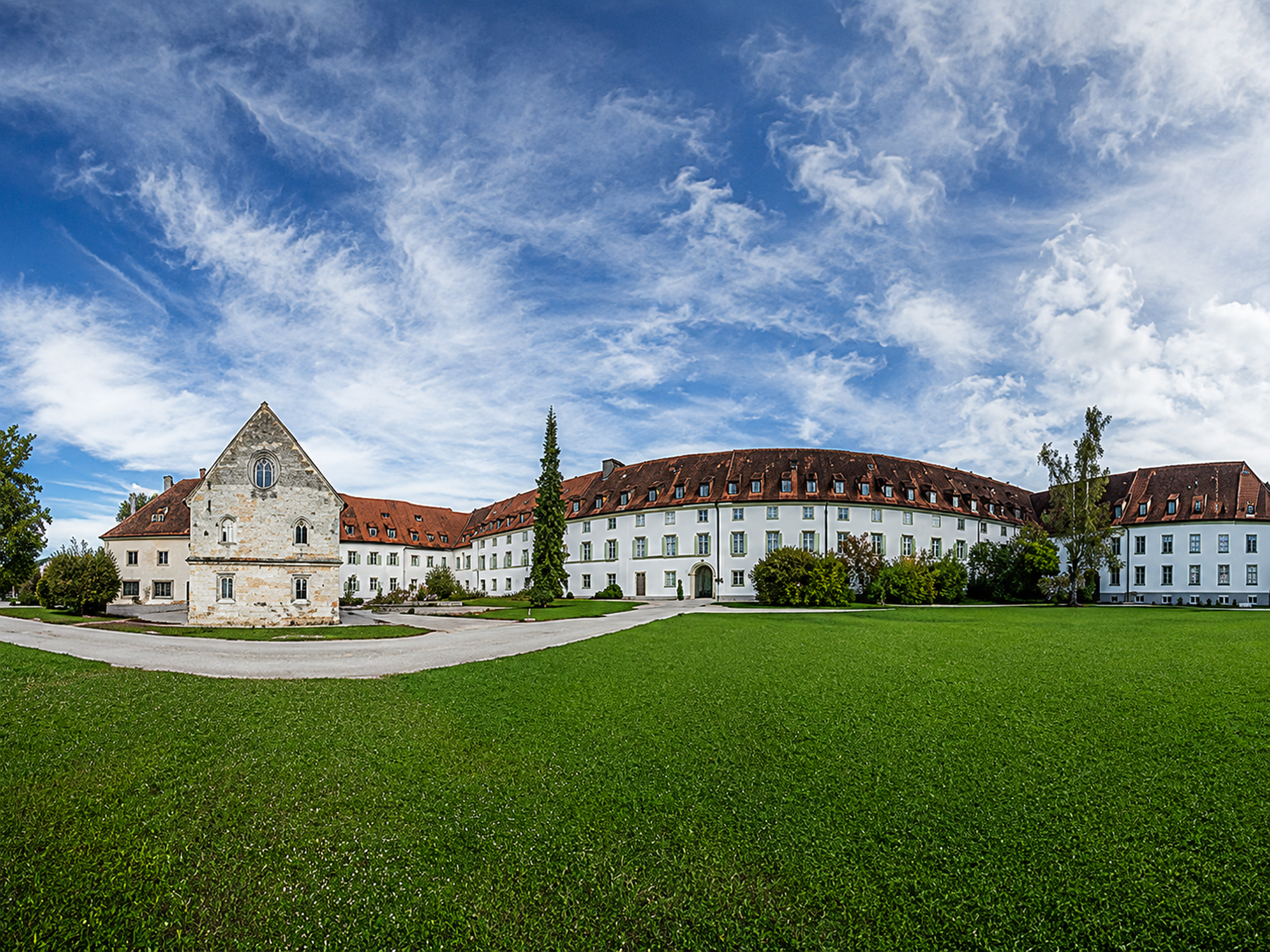
The course Repair and Refurbishment in VBE is an asynchronous intermediate to advanced module that introduces key repair and refurbishment strategies for existing and historic buildings, with a focus on sustainable materials, component repair, pollutant treatment, and heritage practice. It covers topics such as low-CO2 cements, Roman-inspired cement materials, geopolymers, CycloPlasma, window repair, wood conservation, salt-related deterioration, and adaptive reuse through the case study of the Alte Schaefflerei in Benediktbeuern. The course is designed for practitioners and experts working in refurbishment, heritage conservation, building materials, and building physics.
