Available courses

As the world moves away from the traditional linear economy, where we take, make, use, and dispose, waste management becomes one of the biggest challenges. Every day, growing amounts of waste put pressure on our environment, resources, and communities.

This course introduces the circular economy as a transformative approach to how we handle materials and waste. By designing out waste, keeping products and materials in use, and regenerating natural systems, the circular economy can significantly improve the way we manage waste.


Learning outcomes


  • Explain what the circular economy is and how it is different from the traditional linear economy.
  • Identify the basic principles of the circular economy, such as reducing waste, reusing materials, and recycling.
  • Recognize how waste can become a resource through composting, recycling, and other simple practices.
  • Give examples of circular solutions in everyday life, communities, and businesses.
  • Discuss simple ideas for improving waste management using circular economy approaches. 

 This course is open to all who want to explore their capacity to lead, unlocking the potential of their leadership style. Participants will be able to explore the topics of ethical and purpose-driven leadership while gaining insights into emotional intelligence and spiritual capital. Added value from this course is the opportunity to put the learning into daily practice in a personal action learning project and participate in a research project working with professionals from other organisations.


Learning outcomes


·         Discuss the importance and power of circular economy leadership

·         Recognise the strength of your leadership style

·         Explain the role of leadership in initiating long-lasting changes in organisations

·         Practise responsible decision-making based on principles and values

·         Analyse the effects of purpose-driven leadership in nurturing the spiritual capital of the organisation

·         Experiment and reflect on a set of techniques to manage your emotions at the workplace

·         Adopt a leadership style that is compatible with circular economy.

This course explores the concepts, approaches, and strategies of circular business models. The course focuses on how firms can transition from linear, resource-intensive models to circular ones that promote sustainability, reduce waste, and generate long-term value.

Learning outcomes


·         Discuss the importance of circular economy

·         Combine CE tools in a specific case study 

·         Practice mindfulness techniques to develop circular business models 

·         Experiment and reflect on circular thinking tools

·         Comprehend the policy framework of CE

This course introduces you to the circular economy and how it can change the way businesses operate. You will learn to think in new, sustainable ways and apply practical strategies that create positive impact for your organisation and the planet.

Through interactive learning, you will explore your organisation’s value chain to find opportunities where circular economy practices can make a difference. You will also discover digital tools that support circular business models and understand key regulations that affect your success.

In the creative phase, you will design innovative circular business models, using practical tools and guidance to develop your own circular solutions. By the end of the course, you’ll be ready to lead sustainable and purpose-driven initiatives in your organisation.


Learning outcomes


·         Understand circular strategies and their benefits for business and the environment.

·         Identify opportunities within their organisation to apply circular practices.

·         Use digital tools and follow guidelines to support sustainable business decisions.

·         Design practical circular business ideas that create real impact.

·         Apply circular thinking to drive innovation, reduce waste, and improve resource efficiency.

The course will offer new methodology and tools in solving and reframing complex problems, with frame design thinking and system innovation approach. The methodology of frame design thinking and system innovation approach will include deep analysis and investigation of the problems, research on the practices of the inner circle of the stakeholders through working groups and living labs, identification of shortcomings and gaps in current practices of solving issues, seeking to understand the deeper factors that underlie the needs of the stakeholders in field. The new design thinking will include identifying and reframing the problems, evaluation of the frames and solution directions and implementation of the frame creation process and solution on a real case study.


 Learning outcomes


·         Analyze and investigate the complex problems

·         Research the practices of the inner circle of the stakeholders within working groups and living labs

·         Identify shortcomings and gaps if traditional approach is applied

·         Specify the list of objectives towards which the frame model will be targeted

·         Identify and seek to understand the deeper factors that underlie the needs of the  stakeholders in the field

·         Identify and reframe the problems

·         Evaluate the frames and solution directions

·         Implement the frame creation process and solution on a real case study

This course examines the role of intellectual capital as a strategic asset in advancing circular economy transformation. It focuses on the three dimensions of intellectual capital—human, structural, and relational—and their contribution to innovation, sustainability, and long-term competitiveness. Participants will explore Edvinsson’s Intellectual Capital Model as a framework for identifying, evaluating, and managing intangible assets. The course highlights the importance of human capital in developing skills, creativity, and leadership; structural capital as the organizational backbone for processes and innovation; and relational capital as the foundation of partnerships and customer engagement. Special attention is given to the link between intellectual capital and circular economy principles, showing how knowledge, innovation, and collaboration enable regenerative business models. By the end of the program, participants will gain a comprehensive understanding of intellectual capital as a driver of circular transformation and sustainable growth.

Learning outcomes


  •        Define intellectual capital and explain its relevance to the circular economy.
  •          Understand and distinguish between the three main components of intellectual capital: human, structural, and relational.
  •          Explain the role of human capital in developing skills, knowledge, creativity, and leadership that drive organizational performance.
  •          Differentiate between resources and capital and recognize their implications for value creation.
  •          Explain the role of structural capital, especially processes and innovation, in supporting circular transformation.
  •          Assess the importance of relational capital, including partnerships and customer engagement, in advancing circular economy strategies.
  •          Recognize how effective management of all forms of intellectual capital supports sustainable growth and competitive advantage.

This course aims to give learners a beginner-level understanding of the circular economy, including its history, benefits, and the importance of shifting away from the linear economic model. Learners will learn about the key principles and strategies used by businesses and organizations to transform their operations into circular models. Alongside an overview of existing regulations that promote circular practices and real-world case studies from the Western Balkans region, this course provides a concise yet comprehensive introduction to navigating the field of the circular economy.  

Learning outcomes 

·         Understand and describe the key concept and principles of the circular economy, how it is different than the linear economy, and its ecological, social & economic significance and advantages

·         Get an idea of how the ongoing environmental crisis can be solved by transitioning to a circular economy

·         Get acquainted with the key circular approaches and strategies, such as the R strategies, and see how they are applied in practice through real examples from the Western Balkans

·         Get an overview of CE-related state-of-the-art policy frameworks and regulations in the EU and Western Balkans

·         Comprehend the Circular Economy as a holistic, transformational concept towards a more sustainable economy and society

Climate change is one of the primary threats to cultural heritage. This course introduces the fundamentals of climate change and its impact on the valuable built environment (VBE). Designed for professionals such as architects, engineers, heritage specialists and students, it explores key climate processes, indicators, and policy frameworks related to both climate change and cultural heritage protection.
Participants will gain an understanding of how climate change affects heritage buildings and sites, while developing practical skills in risk assessment methodologies and tools. Through discussions and case studies, the course provides insights into real-world examples from both EU and non-EU contexts, enabling learners to formulate effective strategies for enhancing climate resilience in cultural heritage.

This structured self-paced online course introduces the concept of circular economy in the built environment through five focused lectures. It examines the historical development of circular principles, their connection to cultural heritage, and practical tools that help apply circular principles in heritage and renovation contexts. The course also examines renovation strategies that extend building lifecycles and discusses current problems and challenges based on Estonian examples. The course is designed for architecture, construction and heritage students and professionals, as well as  stakeholders interested in sustainable renovation and conservation. 

This course addresses energy efficiency in the context of climate change and building renovation, focusing on the critical role of the valuable built environment in energy consumption and greenhouse gas emissions reduction. It introduces the fundamental principles of energy efficiency and building renovation strategies within the VBE.

Participants explore key topics such as energy efficiency policies and regulatory frameworks, CO₂ reduction strategies, and methods for calculating emissions in buildings. The course also covers building physics, energy performance assessment, and certification systems, providing a solid foundation for evaluating building efficiency and renovation measures.

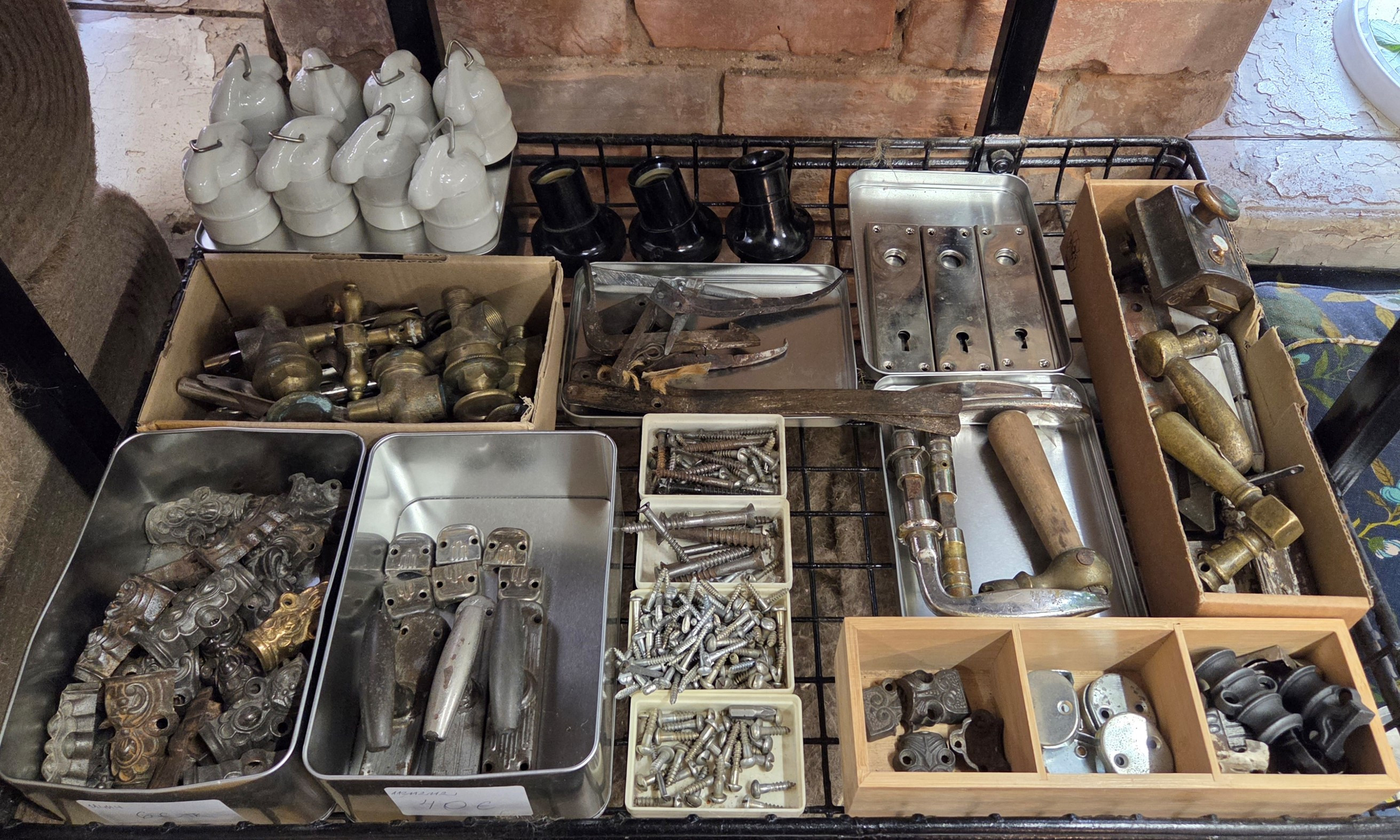
The course Repair and Refurbishment in VBE is an asynchronous intermediate to advanced module that introduces key repair and refurbishment strategies for existing and historic buildings, with a focus on sustainable materials, component repair, pollutant treatment, and heritage practice. It covers topics such as low-CO2 cements, Roman-inspired cement materials, geopolymers, CycloPlasma, window repair, wood conservation, salt-related deterioration, and adaptive reuse through the case study of the Alte Schaefflerei in Benediktbeuern. The course is designed for practitioners and experts working in refurbishment, heritage conservation, building materials, and building physics.

Climate change presents significant challenges for the built environment, particularly for valuable buildings and built heritage, which require careful management, protection, and sustainable renovation. Preserving these buildings while improving their environmental performance is essential for reducing carbon emissions and ensuring long-term resilience.

This course, developed within the EU‑REPAIR Project, focuses on practical approaches to the repair, reuse, and renewal of valuable built environments (VBE). It supports professionals, students, and communities in developing the knowledge and skills needed to manage heritage buildings in a climate-responsible and sustainable way.

Through research, training, and collaboration, the project promotes climate-friendly renovation solutions and encourages stronger connections between professionals, educators, and institutions working in the field of sustainable built heritage.